
How Harsh Ingredients in Nail Polish Can Affect Your Health
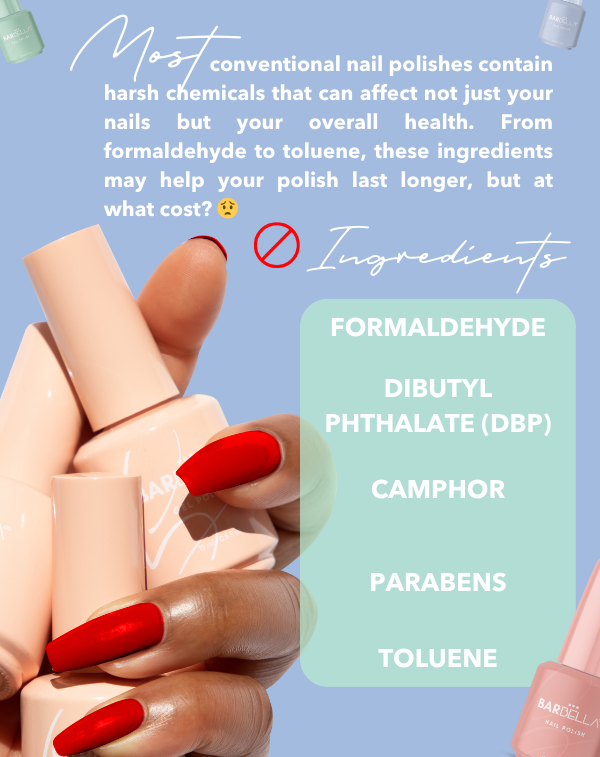
Most of us read the label on our food and our skincare. Nail polish usually gets a pass, even though it sits on your body for weeks at a time. Here's what the most talked-about nail product ingredients can actually do, how to spot a reaction, and the simple habits that lower your risk.
This is general information, not medical advice. If you think you're reacting to a nail product, stop using it and see a doctor or dermatologist.
The "toxic trio"
Three ingredients have been flagged in conventional polish for years. They're the first three on every "free-from" list, including our own 10-free list.
Formaldehyde
Used as a hardener, mostly in nail strengtheners and some polishes. It can irritate skin on contact and is a known skin sensitizer, which means repeated contact can trigger an allergy over time. Its strong fumes can also irritate your eyes, nose, and throat and cause headaches, especially in a small room without airflow.
Toluene
A solvent that helps polish go on smoothly and dry glossy. Breathing in its vapors can cause headaches, dizziness, and nausea. The risk is higher for anyone who does nails often, like nail techs, or who works without ventilation.
Dibutyl phthalate (DBP)
A plasticizer that keeps polish flexible so it doesn't crack. It has raised concerns about hormone disruption, and it's banned from cosmetics in the European Union.
The resin behind many polish allergies
Tosylamide/formaldehyde resin helps polish grip the nail and look glossy. It's one of the most common causes of allergic reactions to regular nail polish. A telltale sign: the rash often shows up on your eyelids, face, or neck rather than your fingers, because those are the places your freshly painted nails touch.
What about gel polish?
Gel works differently. Instead of drying in the air, it hardens under a lamp, and the ingredient most linked to gel allergies is HEMA (2-hydroxyethyl methacrylate). Allergies usually start when uncured gel touches the skin again and again, so technique matters as much as the formula.
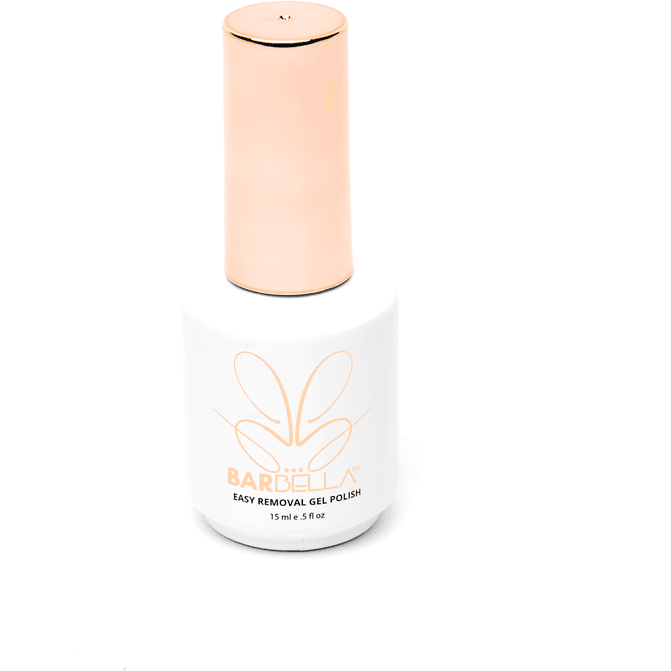
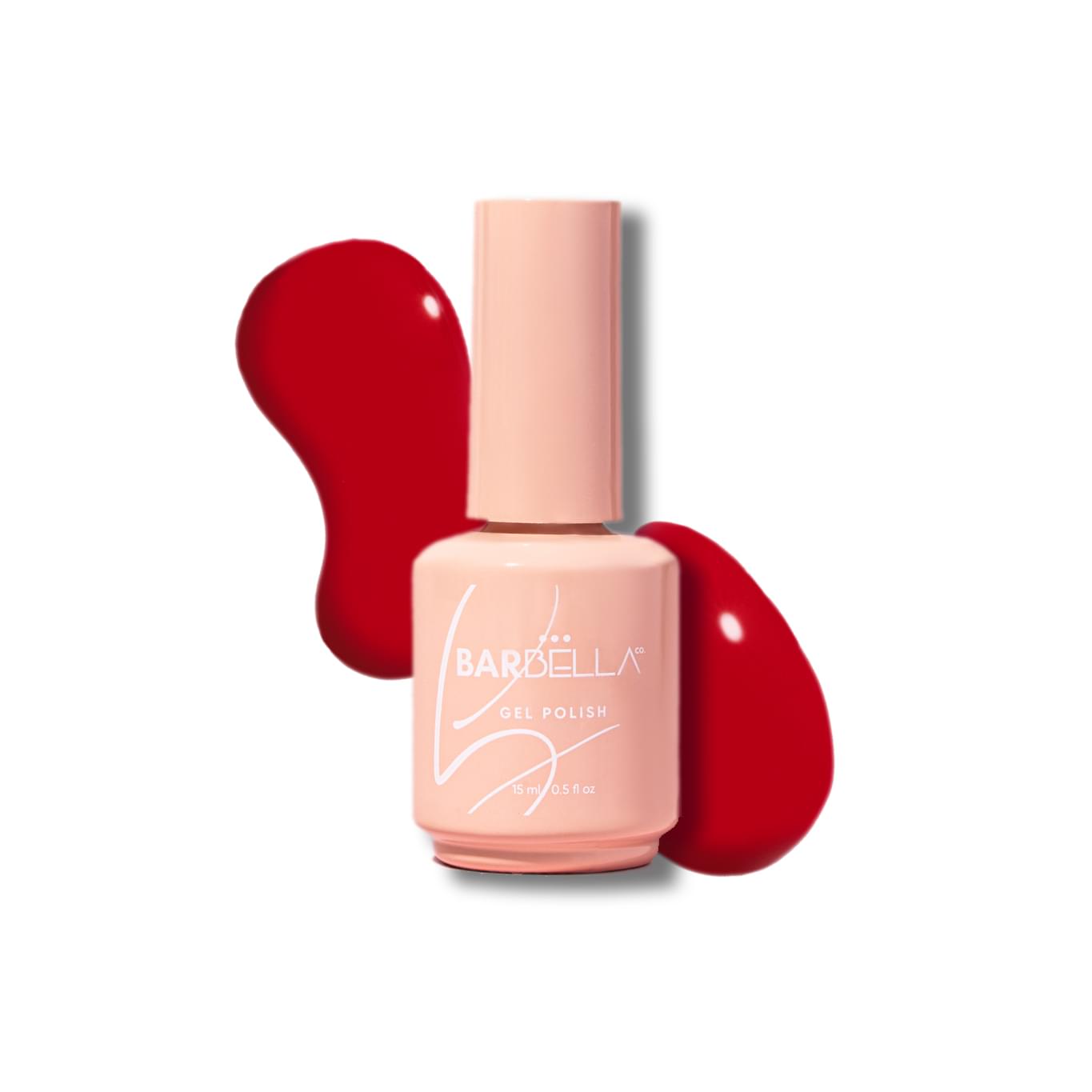
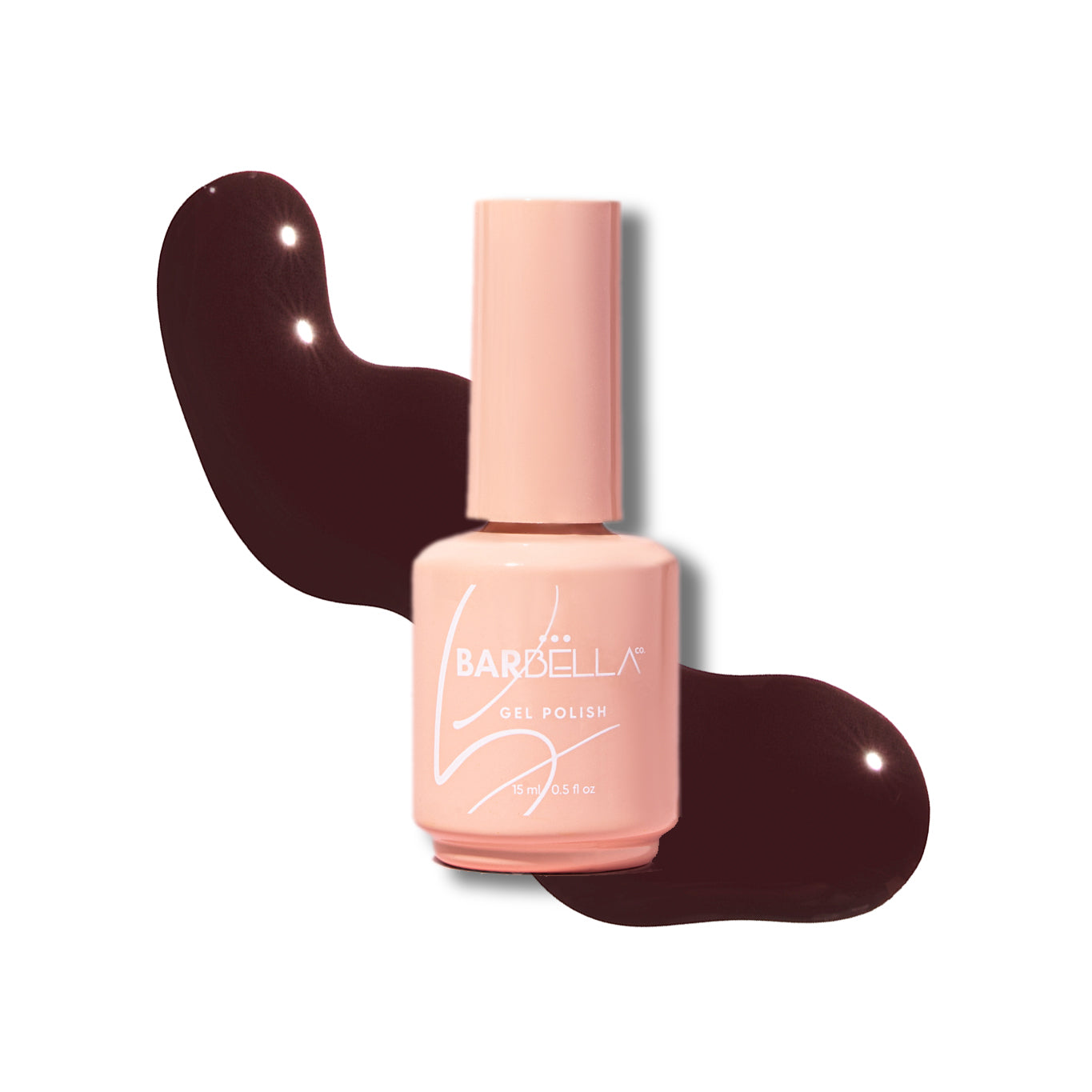
Every BarBella Co gel polish is HEMA-free, which removes the most common gel allergen from the bottle. No gel is completely allergen-free, though, so the habits below still count.
Signs of a reaction
- Itching, redness, or swelling around the nail folds
- A rash on the eyelids, face, or neck
- Nails lifting, splitting, or feeling sore after a manicure
If you notice any of these, remove the product, give your nails a break, and check in with a dermatologist, who can patch test to find the cause. Not sure whether you're looking at irritation or a nail condition? Our guide to dermatitis vs onychoschizia explains the difference.
How to lower your exposure
- Choose 10-free polish to skip the toxic trio and seven more ingredients of concern.
- Choose HEMA-free gel if you wear gel.
- Keep product off your skin. Stay a hair away from the cuticle and clean any mistakes before curing.
- Cure fully with a lamp that matches your gel, for the full time.
- Open a window or paint in a room with good airflow.
- Wash your hands after every manicure.
Our at-home manicure guide walks through clean application step by step. And if you want the bigger picture on cleaner formulas, here's why vegan, 10-free polish is the future.
A cleaner way to wear color
- Soak-Off Vegan Gel Polishes: 10-free, HEMA-free, long-wear color
- Shop Best Sellers: our most-loved shades
- Nailing It, A Beginner's Guide to Nails: prep, application, and aftercare, instant download
Every BarBella Co gel polish is vegan, 10-free, HEMA-free, and Leaping Bunny Certified cruelty-free. Where nail care, health & conscience go hand in hand!




Comments