What Is HEMA-Free Gel Polish, and Why It Matters More Than You Think
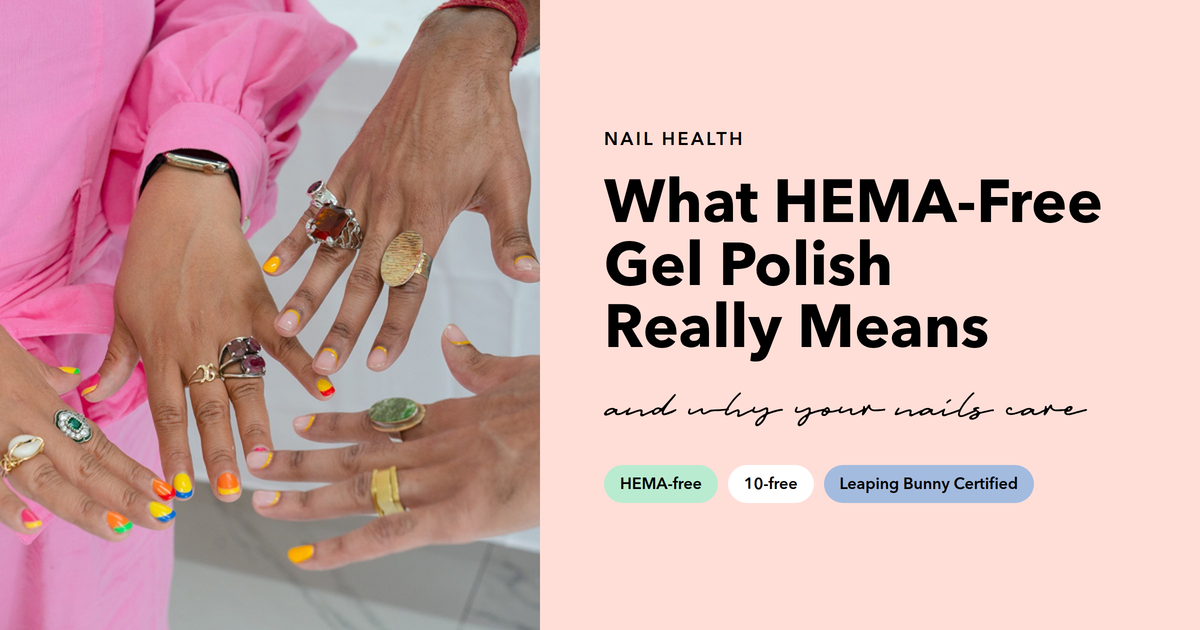
You've probably seen "HEMA-free" on a gel polish label and wondered whether it's a marketing phrase or something that matters. It matters. HEMA is the ingredient behind most gel polish allergies, the allergy is permanent once you have it, and it's becoming common enough that salons and dermatologists are talking about it. Here's what HEMA is, why gel formulas use it, what an allergy looks like, and how to avoid it.
What is HEMA?
HEMA stands for hydroxyethyl methacrylate. It's a small monomer molecule used in many gel polishes, builder gels and nail glues because it does two jobs well: it helps the gel stick to the natural nail, and it makes the formula flexible so it doesn't crack. It's cheap and effective, which is why it's in so many products.
The problem is that HEMA is also a known skin sensitizer. Because the molecule is small, it can pass through the top layer of skin and the nail plate. If uncured gel touches skin repeatedly (on the cuticle, the sidewalls, under the nail), the immune system can learn to treat it as a threat.
What a HEMA allergy looks like
It usually starts small and builds:
- Itching or redness around the cuticles a day or two after a manicure
- Swelling or tiny blisters on the fingertips
- Nails lifting from the nail bed, or becoming thin and brittle
- Rashes on the face, neck or eyelids (from touching your face with freshly done nails)
Once you're sensitized, you stay sensitized. That can mean reacting to any product containing methacrylates, which includes some dental materials, medical adhesives and joint cement. That's the reason dermatologists take gel allergies seriously, and the reason HEMA-free formulas exist.
Who's most at risk
Anyone can develop it, but three groups see it most:
- People who do their own gel at home and get polish on skin without wiping it off before curing.
- Nail techs, who handle uncured product all day.
- Anyone using a lamp that's too weak or curing for too short a time, which leaves uncured monomer on the nail even when it looks dry.
What HEMA-free actually means
A HEMA-free gel uses larger monomer molecules that do the same job but don't pass through skin as easily, which dramatically lowers the chance of sensitization. It is not a guarantee against every reaction (some people react to other methacrylates), but removing HEMA removes the most common trigger.
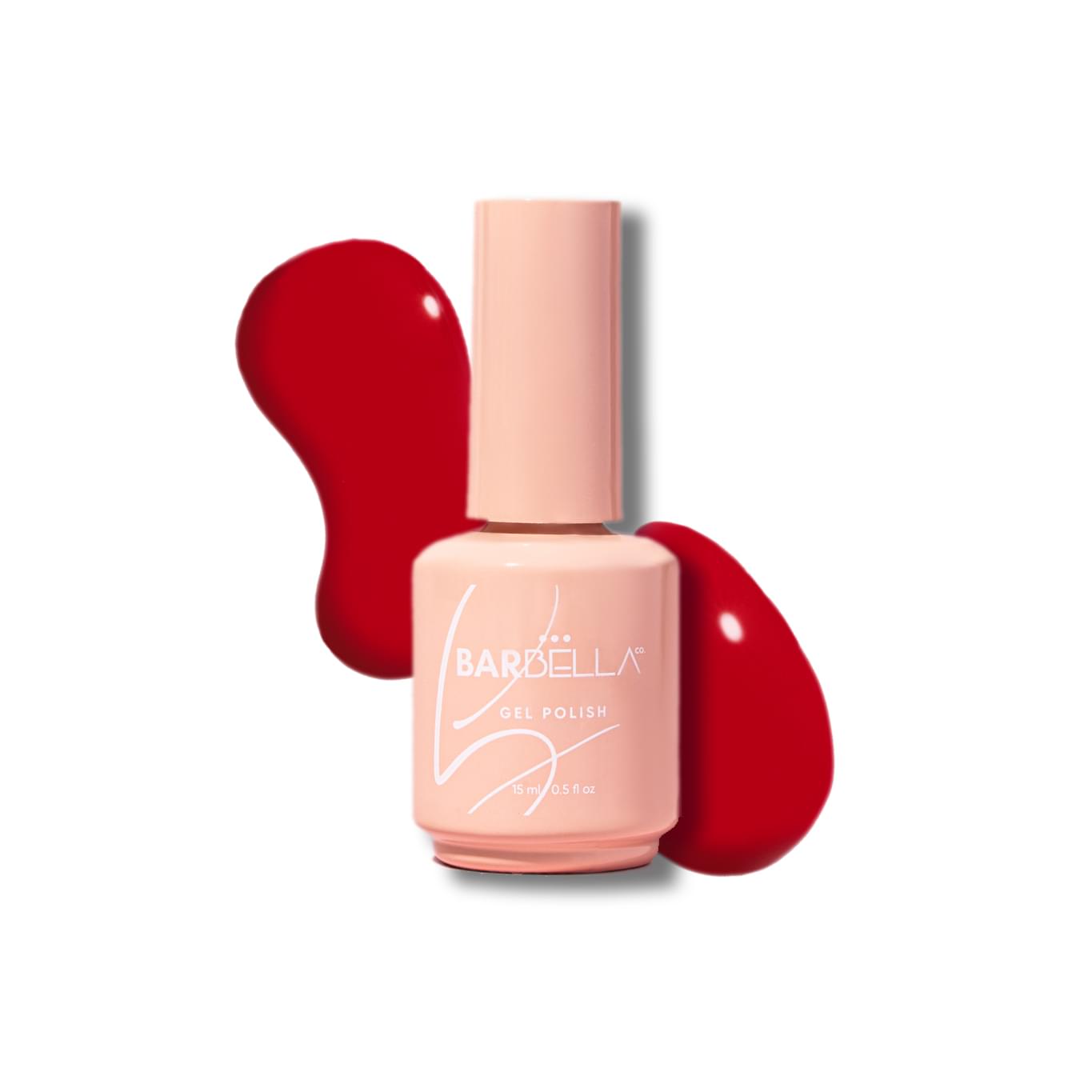
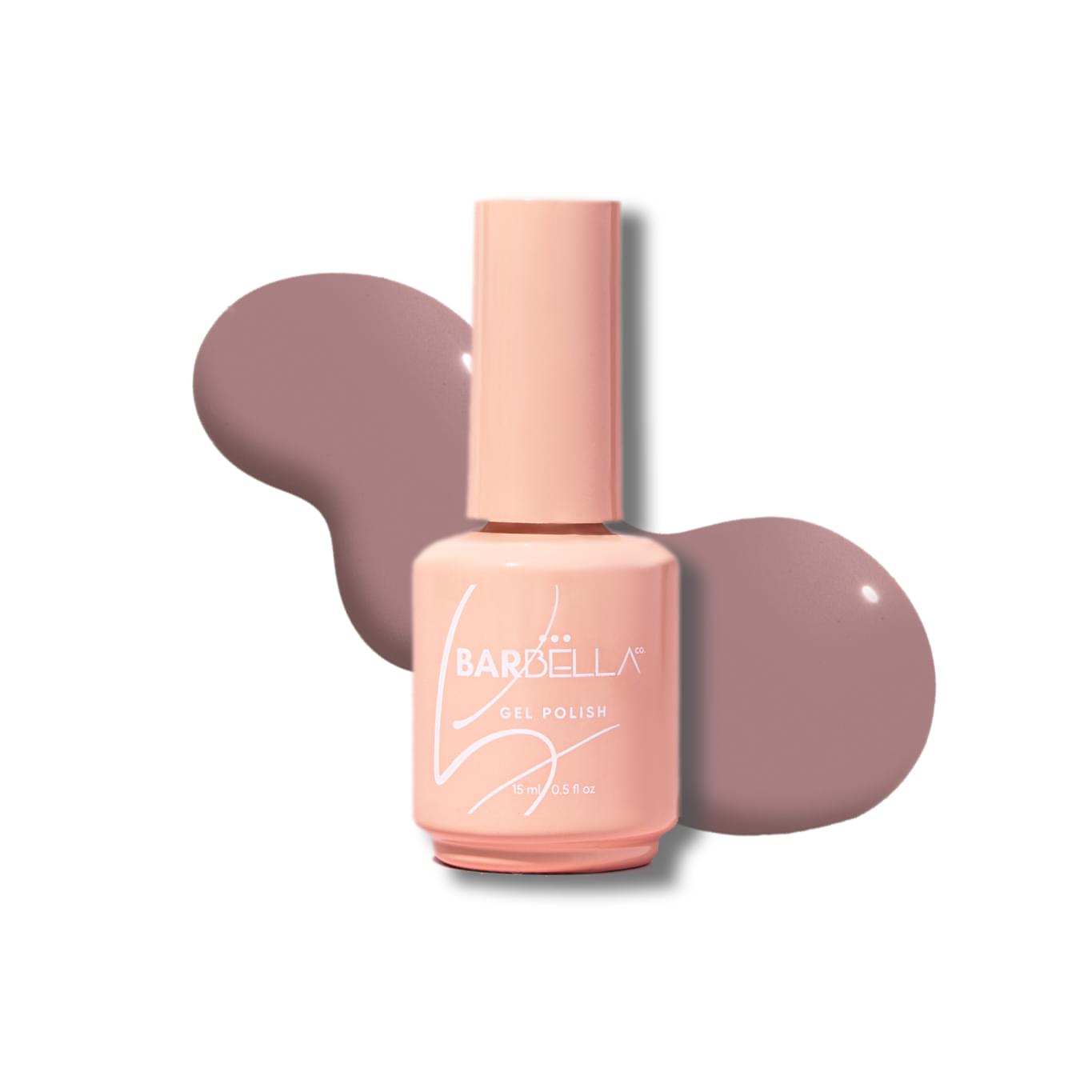
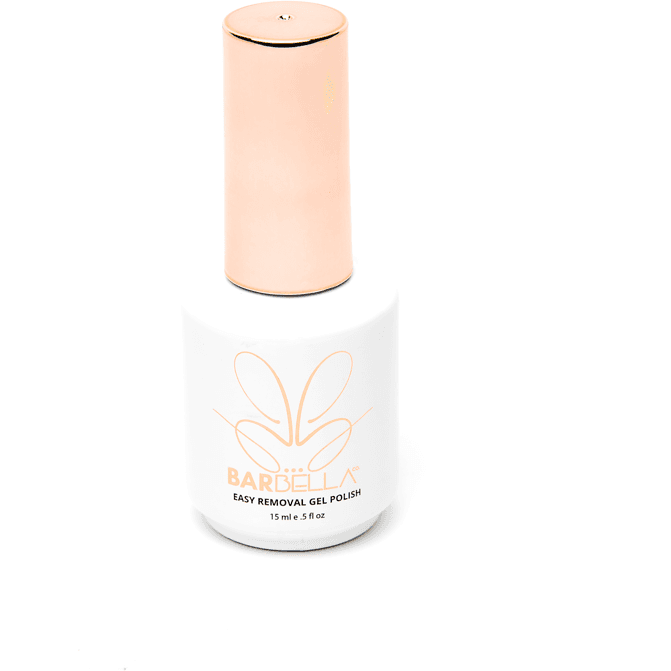
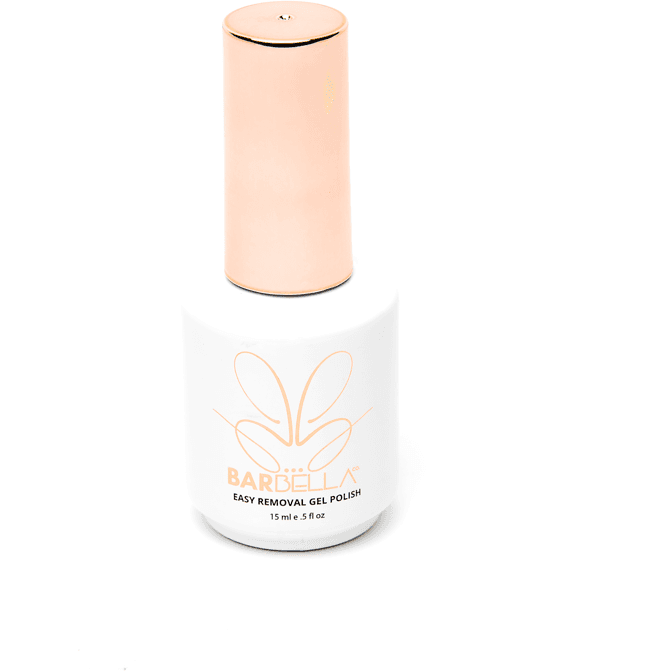
Every BarBella Co. gel polish is formulated HEMA-free and 10-free, meaning we also leave out formaldehyde, toluene, DBP, camphor, formaldehyde resin, xylene, parabens, ethyl tosylamide and TPHP. Vegan, and Leaping Bunny Certified cruelty-free. Where nail care, health & conscience go hand in hand!
How to protect yourself, HEMA-free or not
- Keep gel off skin. Stay a hair away from the cuticle and sidewalls. If it touches skin, wipe it with a brush and alcohol before curing.
- Cure fully. Use the lamp and time the product specifies. Thin coats cure through; thick ones don't.
- Don't touch your face until the top coat is cured and wiped.
- Remove properly. Soak off, don't peel. Damaged nails absorb more.
- Techs: gloves. Nitrile, changed often.
The full at-home method is in our how to do a manicure at home guide.
HEMA-free FAQ
Is HEMA-free gel polish as long-lasting?
Yes, with good prep. Adhesion comes from a clean, dehydrated nail and a thin base coat more than from any single monomer.
I already have a gel allergy. Can I use HEMA-free?
Ask your dermatologist first. Many people with a HEMA sensitivity tolerate HEMA-free products, but some react to other methacrylates too.
Is "10-free" the same as HEMA-free?
No. 10-free refers to ten other ingredients left out of the formula. HEMA-free is a separate claim. BarBella Co. polishes are both.
Does HEMA-free mean non-toxic?
No polish is "non-toxic" in the literal sense; all of them are chemistry. HEMA-free means the most common allergen has been removed. Treat every gel with the same care.
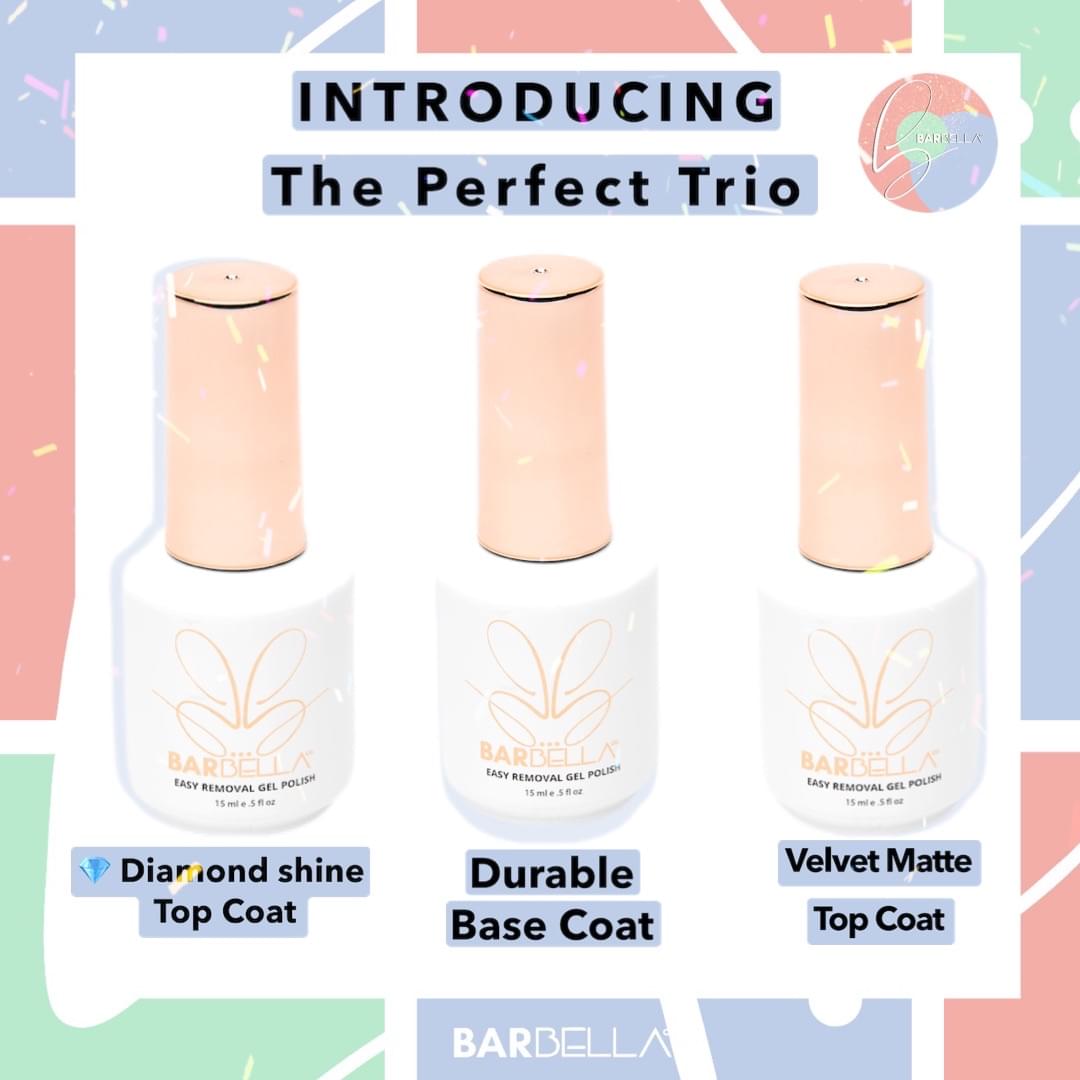
Ready to switch? Browse the full HEMA-free gel polish collection, or start with The Perfect Trio (base, glossy top, matte top) and add a colour.
Comments